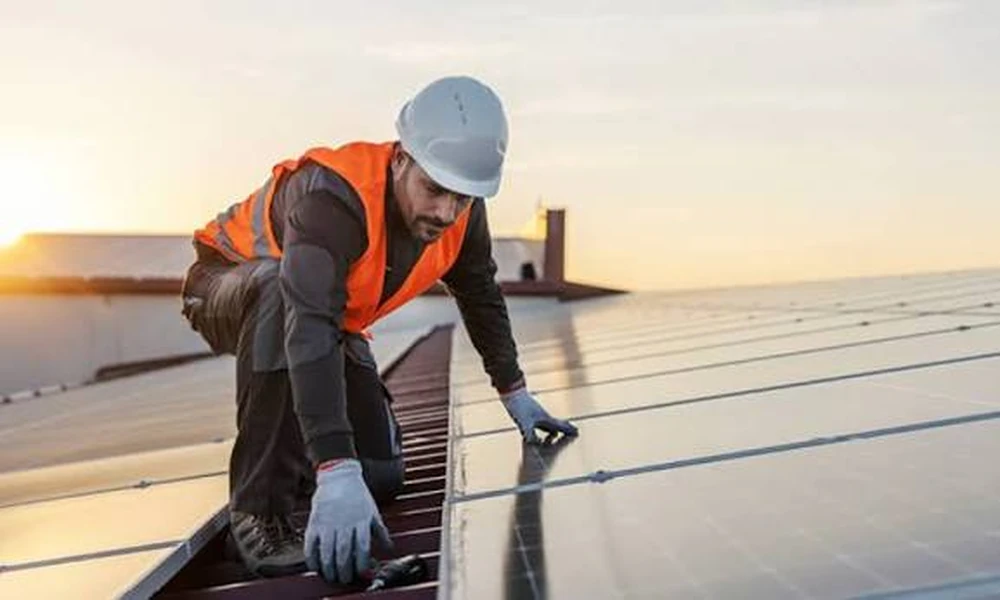
The reliability of a photovoltaic system depends not only on the quality of the solar panels and the inverter but on the quality of every electrical connection between the option. Solar wire connectors are the interface points at which the DC power generated by each panel enters the wiring system that routes current to the inverter, and any resistance increase, insulation failure, or ingress of moisture at these connection points produces power loss, overheating, and ultimately system failure. Selecting connectors from a quality solar connector manufacturer and understanding the types of solar panel connectors available, including the increasingly specified solar Y connector for parallel string configurations, is essential for system designers and installation teams working on residential, commercial, and utility-scale solar projects.
What are solar connectors and why do they matter?
Solar connectors are weatherproof, locking electrical connectors specifically designed for the outdoor, UV-exposed, temperature-cycling environment of a photovoltaic installation. Unlike general-purpose electrical connectors, solar panel connectors must maintain reliable electrical contact and complete weatherproofing across decades of outdoor exposure through India’s climate extremes: monsoon rainfall, summer temperatures exceeding 70 degrees Celsius at the panel surface, and the mechanical stress of wind loading and thermal expansion cycling.
The key performance requirements that differentiate quality solar wire connectors from inadequate alternatives:
- IP rating: solar connectors should achieve at least IP67 ingress protection rating when fully mated, confirming complete dust exclusion and resistance to temporary immersion in water. IP68 or higher ratings are specified for installations in areas prone to prolonged waterlogging.
- UV resistance: the polymer housing of the connector must resist degradation from prolonged UV exposure without cracking, discolouration, or loss of mechanical properties. UV-stabilised materials specified to UL 94V-0 or equivalent flammability standards are the baseline for quality outdoor connectors.
- Contact resistance: the resistance of the electrical contact within the connector must remain low and stable across the operating temperature range and across the life of the installation. Rising contact resistance at a connector produces a hot spot that can progress to overheating and fire in DC solar wiring.
- Mechanical retention: the locking mechanism of the mated connector pair must prevent accidental disconnection from vibration, cable movement, or the tension of the cable weight in vertically routed installations.
What is a solar Y connector?
A solar Y connector is a branching connector that splits a single solar cable into two parallel connections, or combines two parallel connections into a single cable, within a single weatherproof housing. The solar Y connector configuration is used in parallel string wiring where multiple strings of panels are connected in parallel before the combined current reaches the combiner box or inverter.
The solar connector Y configuration eliminates the need for a separate junction box to achieve the parallel connection, reducing the number of components and potential failure points in the string wiring. Quality solar Y connectors maintain the same IP rating, UV resistance, and contact reliability as standard mated connector pairs, with the additional mechanical requirement that the branching housing distributes the cable strain across the two branches without creating stress concentrations at the Y junction.
What is the MC4 standard and why does it matter?
The MC4 connector standard (Multi-Contact 4mm) has become the dominant connector type in the global solar industry, and virtually all solar panel connectors and solar wire connectors for module interconnection are supplied in MC4 or MC4-compatible form. The MC4 form factor specifies the housing geometry, the contact pin dimensions, and the locking mechanism that allows connectors from different manufacturers to be mated in the field.
The MC4 compatibility question is important for system designers and installers because:
- Cross-mating of MC4-compatible connectors from different manufacturers is technically possible but is not always approved by the connector manufacturers involved, and may void the warranty of both connector types.
- Quality variation among MC4-compatible connectors is significant, and selecting connectors from a reputable solar connector manufacturer whose products are independently tested to IEC 62852 or equivalent standards is more reliable than selecting on price alone.
- Certified connectors are increasingly required by insurance underwriters, EPCs, and off-take agreement counterparties for commercial and utility-scale solar projects, making certification documentation from the solar connector manufacturer part of the project specification
Conclusion
Solar wire connectors, solar panel connectors, and the solar Y connector for parallel string configurations are critical components whose quality, weatherproofing, and long-term reliability directly affect the performance and safety of the photovoltaic systems that depend on them. Selecting connectors from a quality solar connector manufacturer with independent certification to applicable standards is the foundation of a reliable solar wiring system across the full operational life of the installation.
Electronic components suppliers in India provide solar Y connectors, solar panel connectors, and solar wire connectors for residential, commercial, and utility-scale solar installations across India. These connectors are manufactured to meet the IP and UV resistance requirements of outdoor solar wiring, with the contact quality and mechanical reliability that long-term photovoltaic system performance demands.