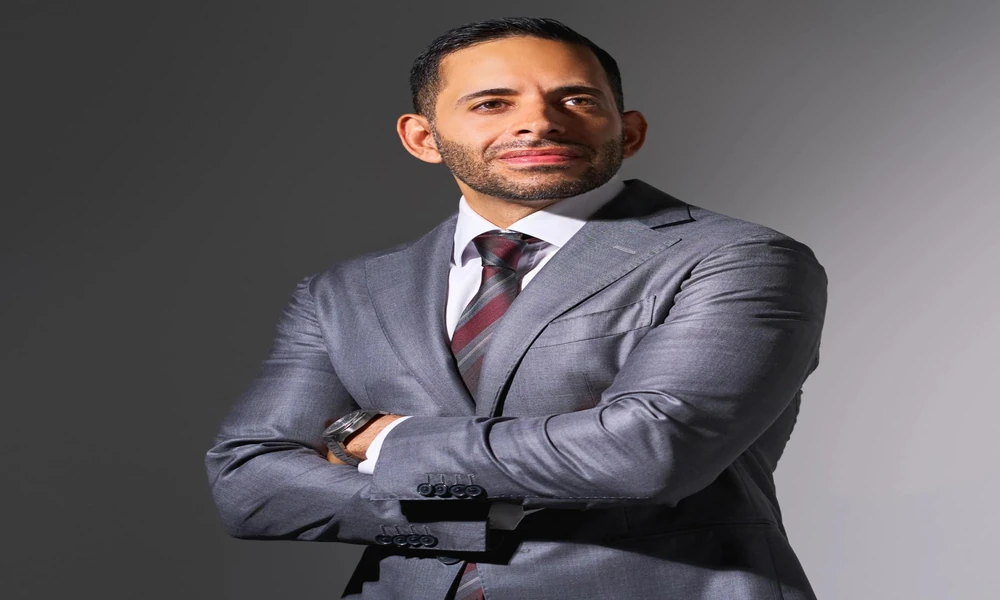
Nicholas Mukhtar sizes governance to the family. His view, reported by NetNewsLedger, holds that structure should match a family’s size and culture and be revisited as the family changes. He has also written about staffing a family office on his Substack.
1. Clarify Who Decides What
Decision authority is described in the article as the highest-leverage starting point. When every approval runs through one person, operations stall and frustration builds quietly. A written framework that sets decision scope at different levels, reviewed whenever the family’s circumstances shift, clears that bottleneck without a full overhaul.
2. Make Communication Part of the Structure
When tension surfaces in a family office, Mukhtar’s first move is to ask the people involved if they’ve sat down and said what’s bothering them. He traces the habit to youth sports. His father is a well-known high school soccer coach in Michigan. “Communication is key on any team,” he said. “That’s the theme in sports, in business, in life, in partnerships, in marriages and families.”
3. Keep the Principal Engaged
Bank of America’s 2025 Family Office Study found that more than 40% of highly involved principals begin onboarding the next generation as soon as family members express interest, compared with fewer than a third of less-involved principals.
Mukhtar describes the families that struggle most in similar terms. Spouses have no visibility into what was built, adult children have been kept away from operating decisions for years, and one unexpected event could force conversations nobody has had.
4. Use the Structure, Then Revisit It
Mukhtar warns against adding layers of complexity for their own sake. A family charter or council earns its keep when it’s consulted in day-to-day decisions and updated after major changes in the family or the business.
5. Bring In an Outside Perspective
Large family offices can harden the way big-city governments do, becoming slow to adapt and wary of new input. Mukhtar argues for advisers who sit outside daily operations. “There’s a lot of cynicism about companies using McKinsey and outside consultants, but the rationale is sound: you bring in an outside voice that isn’t ingrained in the day-to-day, and can actually think creatively,” he said.
He draws that lesson from his earlier career, pointing to the revival of New York City parks under a public-private model and to the partnership work he led in Detroit. He has also discussed when owners should bring in a consultant in a Tycoonstory interview.
Mukhtar started Tera Strategies after leading Healthy Detroit, a public health nonprofit, and studying at Johns Hopkins on a Bloomberg Fellowship. The Fort Lauderdale firm counts family offices, corporate executives and wealth management practices among its clients.