Key Takeaways
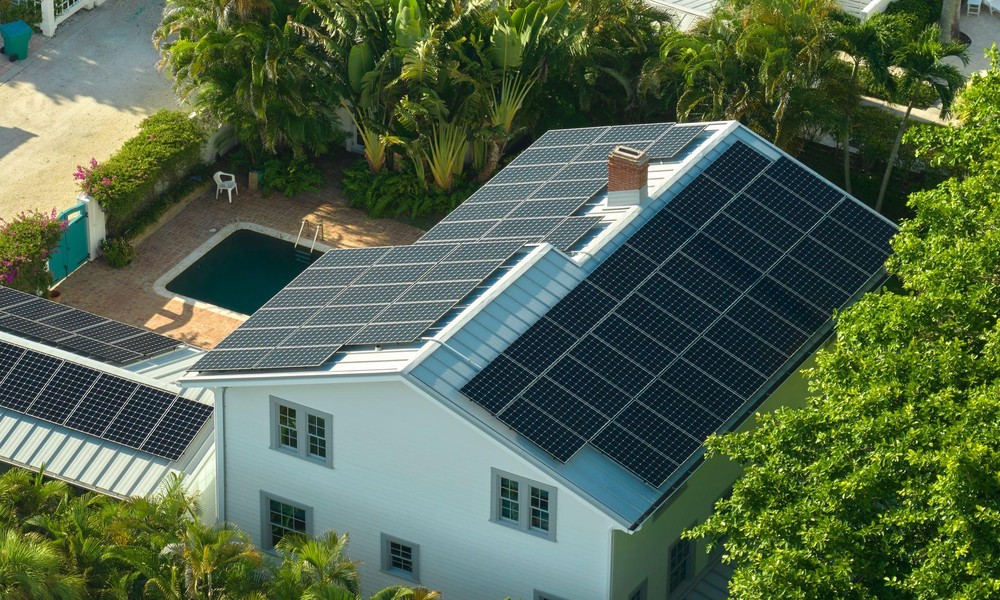
- Solar power roof tiles allow homeowners to generate clean energy while preserving the original architectural aesthetic of their landed property.
- Installing a solar carport transforms a standard driveway into an active energy-generating asset that can directly power electric vehicle charging.
- Modern integrated solar systems offer superior durability and weatherproofing compared to traditional roofing materials in Singapore’s tropical environment.
Introduction
Singapore’s landed property owners are now facing a choice between preserving the architectural beauty of their homes and embracing renewable energy. Traditional bulky solar panels clash with the sleek lines of modern bungalows or the heritage charm of colonial-style houses. However, solar power roof tiles now provide a sophisticated solution by integrating energy-generating technology directly into the building’s envelope. These tiles replace conventional roofing materials entirely, mimicking the appearance of slate or terracotta while silently harvesting sunlight to power the household. This innovation ensures that sustainability no longer requires an aesthetic compromise for the discerning homeowner, allowing the property to maintain its premium kerb appeal while contributing to the national green movement.
Expanding Energy Portfolios with Integrated Structures
While the main roof generates the bulk of a home’s electricity, many landed homeowners seek additional ways to achieve net-zero targets. A solar carport has emerged as a popular secondary installation that complements high-end residential architecture, as these structures turn an underutilised driveway into a secondary power plant. By using high-transparency bifacial panels or sleek black frames, these carports provide a functional, high-tech aesthetic that matches the main house’s solar tiles.
Integrating a solar carport system allows residents to charge electric vehicles (EVs) directly from the sun, creating a closed-loop energy system. This setup reduces reliance on the national grid and provides a buffer against fluctuating electricity tariffs. Professionals often design these structures to include integrated LED lighting and EV charging points, making them a centrepiece of the modern smart home. When you combine a primary roof of solar tiles with a secondary carport system, you maximise every square metre of your land for energy production without cluttering the garden or blocking views.
Why Homeowners are Making the Switch
The transition toward integrated solar solutions, including a solar carport, stems from a desire for both efficiency and longevity. Unlike older systems, modern integrated tiles use tempered glass and high-grade silicon that resist degradation from UV exposure. Homeowners appreciate the peace of mind that comes with a roof that performs two vital functions simultaneously. Furthermore, the local government’s push toward the Singapore Green Plan 2030 encourages residents to adopt these technologies through various carbon-offset incentives and simplified grid-connection processes.
The 5 benefits of choosing integrated solar technology include:
- Seamless Architectural Integration – The tiles blend with existing rooflines to maintain the home’s kerb appeal.
- Enhanced Weatherproofing – Integrated systems provide a continuous, watertight barrier that protects the structure better than traditional bolt-on panels.
- Optimised Space Utilisation – Systems such as a solar carport harvest energy from areas that otherwise remain unproductive.
- Increased Property Value – Homes with built-in renewable energy infrastructure attract a premium in the real estate market.
- Superior Heat Dissipation – Advanced tile designs often incorporate ventilation gaps that help cool the attic space, further reducing air-conditioning loads.
Technical Performance in a Tropical Climate
Efficiency remains a top priority for any energy project. Even though integrated tiles look like standard building materials, they boast impressive conversion rates that rival traditional monocrystalline panels. Engineers calibrate these systems to perform optimally under the high-ambient temperatures of the equator. Many systems now feature shingled cell technology, which reduces the impact of shading from nearby trees or neighbouring buildings, ensuring that even if a small portion of the roof falls into shadow, the rest of the array continues to pump out maximum power.
Maintenance for these systems is surprisingly straightforward for the average user. Because the surface consists of smooth, toughened glass, the frequent Singaporean rain naturally washes away most dust and bird droppings. Periodic inspections by a qualified team ensure that the electrical connections remain secure and the inverter operates at peak efficiency. By investing in high-quality hardware and professional installation from a trusted provider like LHN Energy, owners of landed properties secure a reliable energy source that will serve their families for twenty-five years or more, effectively locking in low energy costs for a generation.
Conclusion
The evolution of solar technology has moved beyond the era of intrusive blue panels. Today, solar power roof tiles represent the pinnacle of luxury and logic, offering a way to go green without sacrificing style. Whether you are building a new home or refurbishing an old one, integrating solar directly into your architecture is the smartest way to future-proof your investment. As Singapore moves toward a more sustainable future, these energy systems will likely become the standard for every high-end landed home across the island.
Contact LHN Energy to learn how solar power roof tiles are changing homes in Singapore.