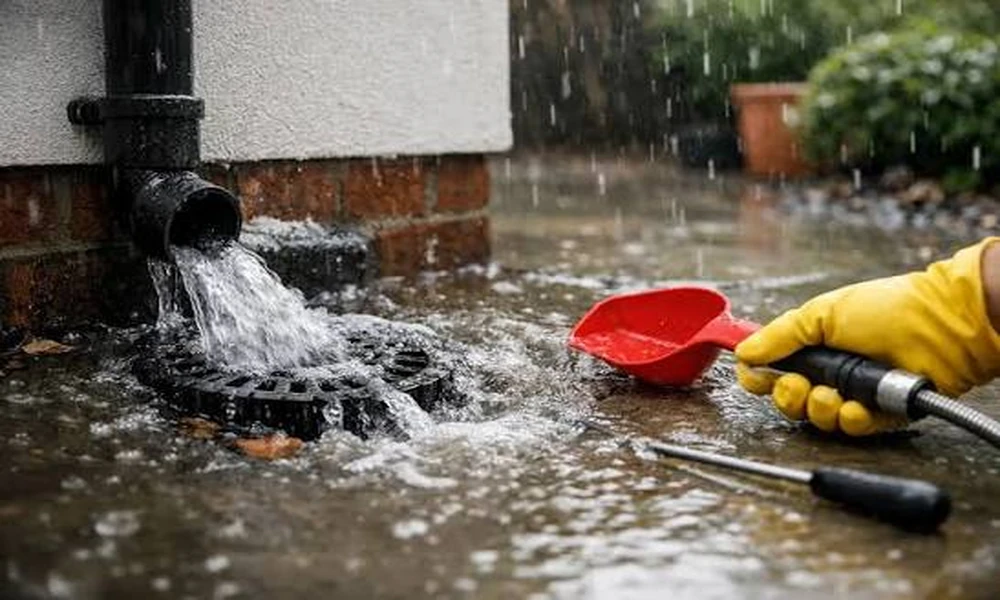
A drain that blocks beneath a driveway immediately sounds expensive. Homeowners picture concrete saws, excavation, broken paving and days of disruption before the pipe can even be reached.
Sometimes excavation is necessary. A collapsed pipe, badly misaligned section or drain with no practical access may need to be exposed and replaced. But digging is not always the first or only answer. In many cases, the better first step is to inspect the pipe and understand exactly what has failed.
For Pipe Relining Sydney enquiries, driveway drains are a common reason homeowners want to know whether a less disruptive repair is realistic.
Why driveway drains are difficult to access
A driveway is not like a garden bed. Concrete, pavers, edging, reinforcement and vehicle access all complicate excavation. Cutting through the surface can be costly, noisy and inconvenient. Restoring the finish afterwards can add more time and expense.
That is why guessing is risky. Digging in the wrong place or replacing more pipe than necessary can create avoidable disruption. On the other hand, repeatedly clearing a damaged pipe without repairing it can waste money and allow the problem to return.
The repair method should be based on the pipe condition, not on the fact that the pipe happens to be under concrete.
What usually causes the repeat blockage
Recurring driveway drain blockages can be caused by tree roots entering joints, silt collecting in a low section, cracked pipework, vehicle-related ground movement or a pipe crushed during previous works.
The driveway itself may hide the cause. You might only notice water pooling at a grate, slow drainage after rain or sewage backing up if the affected pipe is part of the sewer system. The actual defect may sit several metres away under the slab or paving.
Clearing the blockage gives temporary relief. It does not prove the pipe is structurally sound.
Camera inspection changes the decision
A CCTV drain inspection can show whether the pipe has roots, cracks, joint displacement, a sag, a crushed area or a full collapse. It can also locate the problem so the repair is targeted.
This is the point where the options become clearer. A pipe with localised cracking or root entry may be suitable for relining if it can be cleaned and still holds its shape. A pipe that has collapsed, lost alignment or cannot be accessed properly may need excavation.
Without the camera, homeowners are often choosing between clearing and digging without enough information.
How relining can help under hard surfaces
Pipe relining repairs a damaged pipe from the inside by installing a liner that cures to form a new internal surface. Where suitable, it can seal cracks, cover joints and reduce root entry without removing the driveway surface.
The pipe usually needs to be cleaned first. The damaged section is measured, prepared and lined through existing access points where possible. Once cured, the liner creates a smoother path through the repaired area.
Relining is not magic, and it is not right for every drain. Its value is strongest when the pipe is damaged but still has enough shape and access for the liner to be installed correctly.
When digging still makes sense
Excavation may be unavoidable if the pipe has collapsed fully, if a section has dropped badly, if there is no suitable access or if the surrounding ground has failed. Digging may also be needed to correct poor fall or replace pipework that is too distorted for lining.
A good recommendation should explain why relining is or is not suitable. Be cautious of anyone who offers one solution before inspecting the pipe.
The honest answer depends on the drain, damage and driveway conditions.
Think beyond the immediate blockage
If the driveway drain has blocked several times, the question is not simply how to clear it again. It is why that section keeps catching waste, roots or debris. A repair that addresses the damaged pipe may cost more upfront than clearing, but it may prevent the same callout from repeating.
For blocked drain repair Sydney properties under concrete, the least disruptive solution is not always the cheapest-looking first step. It is the option that fixes the right section with the least unnecessary damage.
Before cutting the driveway open, inspect the drain. If relining is suitable, it may preserve the surface and solve the cause. If excavation is required, at least you will know why, where and how much pipe actually needs to be exposed.
A driveway repair also affects access and daily routine
If excavation is required, the impact is not only the plumbing cost. Cars may need to be moved, access may be restricted, and concrete or pavers may need time before normal use resumes. For shared driveways or strata properties, approvals and communication can add another layer.
That is another reason inspection matters. When the pipe condition is known, homeowners can compare the true disruption of excavation with the suitability of relining, rather than making a decision based only on fear of digging.
Relining still needs preparation
Where relining is suitable, the pipe still has to be cleared, cleaned and measured properly. Roots, sludge and broken material must be removed so the liner can bond and cure as intended. The access points also need to be suitable. This preparation is part of the reason a relining recommendation should follow inspection, not replace it.