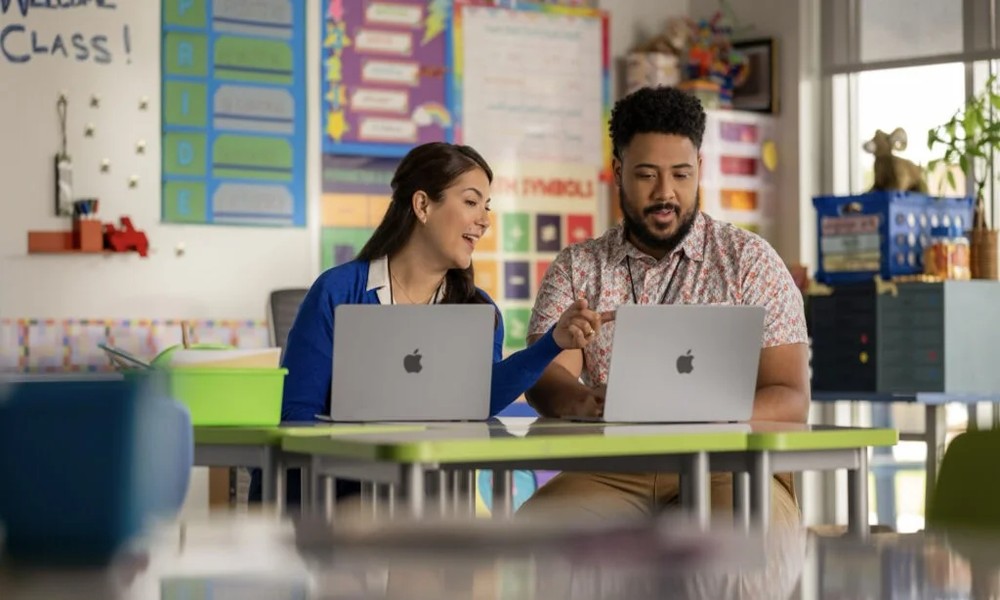
Picking a Mac for university is no longer just about owning something premium. Across Indian campuses, it is quietly becoming part of a larger shift in how students study, create, collaborate, and get ready for what comes after graduation.
The demands on a university device have changed drastically. Students are now tasked with coding, designing, editing videos, attending online classes, managing internship work, and collaborating on group projects, all within the same week. A machine that slows down under that kind of load not only creates inconvenience but also hinders the learning process.
This is where Mac has built its reputation in higher education. With its consistent performance, long battery life, user-friendly interface, and seamless compatibility with other Apple devices, Macs have become the go-to choice for students and institutions.
Why Campuses Are Moving Beyond Traditional Labs
The shared computer lab served its purpose for a long time. Fixed hours, shared machines, and a queue at the door. That setup does not fit how students work anymore.
The traditional shared computer lab, with fixed hours, shared machines, and long queues, no longer serves its purpose effectively. Students are now working at all hours, and learning does not stop when the lab closes. Portable and capable devices have become a necessity rather than a luxury.
A Mac can handle writing, coding, data work, video editing, and presentations without the need to switch between tools or machines. For institutions, the broader benefit is predictability. When students and faculty use tools that behave consistently, teaching and learning are streamlined with fewer interruptions.
What an Apple Learning Environment Actually Means
An Apple learning environment is not just a room with Apple devices. It is a connected system where hardware, software, training, security, and ongoing support all work together towards a common goal.
This includes Mac labs, iPad-assisted classrooms, faculty training, structured student purchase programs, device management, and on-site support. When all these pieces come together, technology stops being a barrier and starts being genuinely useful.
Students can now easily move between lectures, project editing, file sharing, and assignment submission without facing any obstacles. Similarly, faculty can integrate digital tools into their teaching without having to rethink how they run their classes.
Affordability and What It Means for Indian Families
Affordability is a major consideration for Indian families when purchasing electronic devices. Specifications, durability, after-sales service, and the device’s longevity are all important factors for them to consider.
However, the Apple Student Discount program makes Mac and iPad more accessible for eligible students, teachers, and education staff. This reframes the purchase as an academic tool with a longer useful life, rather than an expensive gadget.
A Mac bought in the first year of college can carry a student through coursework, internships, portfolio building, campus interviews, and early career projects. That lifespan is where the value becomes harder to argue with.
The student still needs guidance when making a purchase, as different courses have different requirements. For example, a media student may have different needs compared to a computer science or commerce student. This is where a guided purchase program can be beneficial in providing specific advice and recommendations tailored to the student’s course and budget.
Why Support Close to Campus Changes Things
Having support close to the campus also changes the purchasing experience for students. With nearby support that is familiar with the academic context, students can receive assistance with setup, software installation, education pricing queries, repairs, and accessory choices.
This makes the entire process smoother and eliminates the need for students to scroll through forums or rely on online reviews.
Educational institutions also benefit from working with education-focused Apple partners, such as iPlanet Business (Apple Education Solutions). These partners can provide support with planning, access, deployment, and student enablement, which is especially helpful for universities trying to introduce Apple technology with structure rather than confusion.
Device Management at Scale
A handful of devices can be handled manually. Hundreds cannot. Labs, department machines, and structured student programs need a proper management system behind them.
For institutions with a large number of devices, proper device management is essential. This includes configuring devices remotely, pushing software updates, managing security settings, and supporting users without having to manually handle each device.
This allows students to receive what they need faster, reduces disruptions for faculty, and allows IT teams to focus on improving rather than constantly fixing devices.
Flexibility Across Courses and Disciplines
One thing that works in Mac’s favour is that it does not belong to one kind of student. Design and media students edit, animate, and produce. Engineering and computer science students code, test, and build. Management and humanities students research, write, and present.
The same device serves different disciplines without needing a different version of itself for each one. Built-in accessibility features help students learn, and the security architecture helps protect research data as campuses go increasingly digital.
Where Indian Higher Education Is Heading
The direction is clear. Indian universities are moving towards learning environments that are more practical, more digital, and more connected to what the job market needs from graduates.
Mac and iPad can support that shift, but only when introduced with proper planning, training, pricing access, and long-term management. Technology dropped into a campus without those things tends to create more problems than it solves.
With the Apple student discount, structured purchase guidance, and reliable campus support, Apple learning environments are becoming a realistic option for more Indian students and institutions than before.
Technology in education should not make things harder. It should give students more time to learn, build, and walk into their careers with something solid behind them.