Key Takeaways:
- Small issues such as leaks, faulty sockets, and unusual appliance behaviour can become more expensive problems if left unchecked.
- Regular checks of plumbing, electrical systems, and appliances can help keep your home in good condition, while simple fire safety habits can reduce everyday risks.
- A simple home inspection every few months can make it easier to spot damage, wear, or maintenance needs early.
- Good upkeep can reduce certain risks, but broader protection can still help with unexpected incidents that are difficult to prevent.
Introduction
Home repairs have a way of showing up when you least expect them. A small leak, a faulty socket, or an appliance that suddenly stops working can disrupt your day and, in some cases, turn into a costly repair.
Many problems, however, start with small warning signs. Spotting them early and keeping up with basic maintenance can help you deal with minor issues before they become bigger ones.
Here are five simple home maintenance habits that can help keep your home in good shape and reduce the risk of expensive repairs.
1. Check for Leaks Before They Become Bigger Problems
A small leak can be easy to ignore, especially if it is only an occasional drip. Left unnoticed, however, moisture can gradually damage cabinets, flooring, paint, and walls.
Check areas where leaks are more likely to happen, such as under sinks, around toilets, near washing machines, and below air-conditioning units. Damp patches, peeling paint, musty smells, or mould can all be signs that something needs attention.
It is also worth keeping an eye on changes in water pressure or an unexplained rise in your water bill, as these may point to a hidden leak.
Spotting the issue early can make a real difference. A worn seal or loose connection is usually much easier to deal with than damaged flooring, walls, or built-in carpentry later on.
2. Pay Attention to Plumbing and Electrical Warning Signs
Plumbing and electrical problems often start small, which makes them easy to overlook until something stops working altogether.
Slow drains, frequent blockages, noisy pipes, or dripping taps can all be signs that something needs attention. It also helps to avoid pouring oil, grease, or food waste down the sink, as these can build up in the pipes and lead to more serious blockages over time.
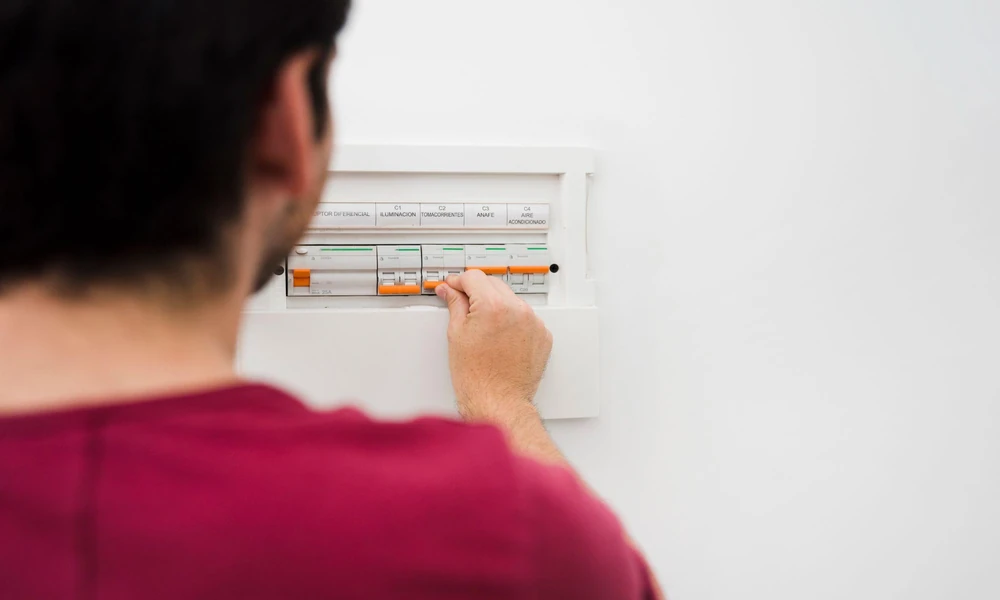
The same goes for your electrical system. Warm sockets, flickering lights, circuit breakers that trip repeatedly, or any unusual burning smell should be checked rather than ignored. Avoid overloading power points, especially with high-powered appliances, and replace damaged plugs or extension cords when needed.
For anything that seems unusual, getting a qualified professional to take a look early can help prevent a minor issue from turning into a more disruptive and expensive repair.
3. Build Fire Safety Into Your Everyday Routine
Fire safety starts with simple habits. In the kitchen, keep cooking areas clean, avoid leaving cooking unattended, and keep flammable items away from heat sources.
Elsewhere in the home, replace damaged wires, make sure appliances have enough ventilation, and test smoke alarms regularly if you have them installed.
It is also worth understanding what your existing protection covers. For example, homeowners researching fire insurance in Singapore may come across the HDB Fire Insurance Scheme, which mainly covers the internal building structure and certain original fixtures and fittings. It is different from broader home insurance, which may cover areas such as renovations, furniture, appliances, and personal belongings.
Knowing the difference can help you avoid gaps in protection.
4. Look After Appliances Before They Break Down
Household appliances are easy to overlook until something goes wrong. Refrigerators, washing machines, air-conditioners, ovens, and water heaters all need a little upkeep to keep working well.
Simple habits can make a difference. Clean air-conditioner filters, clear lint from dryer filters, check washing machine hoses for cracks, and keep refrigerator vents free from dust.
Pay attention to changes too. Unusual noises, excessive shaking, or poor cooling can be early signs of a fault.
Getting small issues checked early can help prevent bigger problems and give you more time to plan if an appliance eventually needs replacing.
5. Give Your Home a Proper Check Every Few Months
Gradual changes are easy to miss when you see the same spaces every day.
Every few months, take a closer look around your home. Check ceilings and walls for stains, windows for signs of water seepage, bathroom grout and sealant for wear, and hidden areas behind furniture for moisture or mould.
It is also a good time to review how your home has changed. Renovations, new furniture, electronics, custom carpentry, and appliances can all add to the value of what you own.
Keeping simple records such as photos, receipts, or purchase details can make it easier to keep track of important items and estimate what they may cost to repair or replace.
Good Maintenance Reduces Risk, but It Cannot Prevent Everything
Regular upkeep can help prevent some problems and stop others from getting worse, but unexpected incidents can still happen.
A pipe may burst, water may seep in from a neighbouring unit, or a fire or accidental damage may affect parts of the home with little warning.
This is where home insurance can complement regular maintenance. Options such as Income Insurance’s Enhanced Home Insurance and Home Ultimate Protect can provide broader protection for the home beyond basic fire cover.
For those comparing all-risks coverage for your home, it helps to check what is covered, what is excluded, and whether areas such as renovations, contents, and personal belongings are included.
Home insurance is not a substitute for regular upkeep, but it can provide financial support when larger, unexpected events affect your home and belongings.
Small Habits Can Make a Big Difference
Home maintenance does not have to be complicated. Simple habits such as checking for leaks, watching for plumbing or electrical issues, looking after appliances, and inspecting your home regularly can help prevent small problems from turning into costly repairs.
Even with good upkeep, however, unexpected incidents can still happen. Having the right home protection can help you feel more prepared when they do.
Speak to an Income Insurance advisor to learn more about the home insurance options available and how they may fit into your household plans.