Key Takeaways
- The transition from passive to active branding is through the strategic use of illumination.
- Environmental factors in an equatorial climate dictate the choice of signage materials.
- The technical superiority of 3D LED front-lit systems gives clarity and energy efficiency.
- A local craftsman is essential for navigating urban regulatory standards.
Introduction
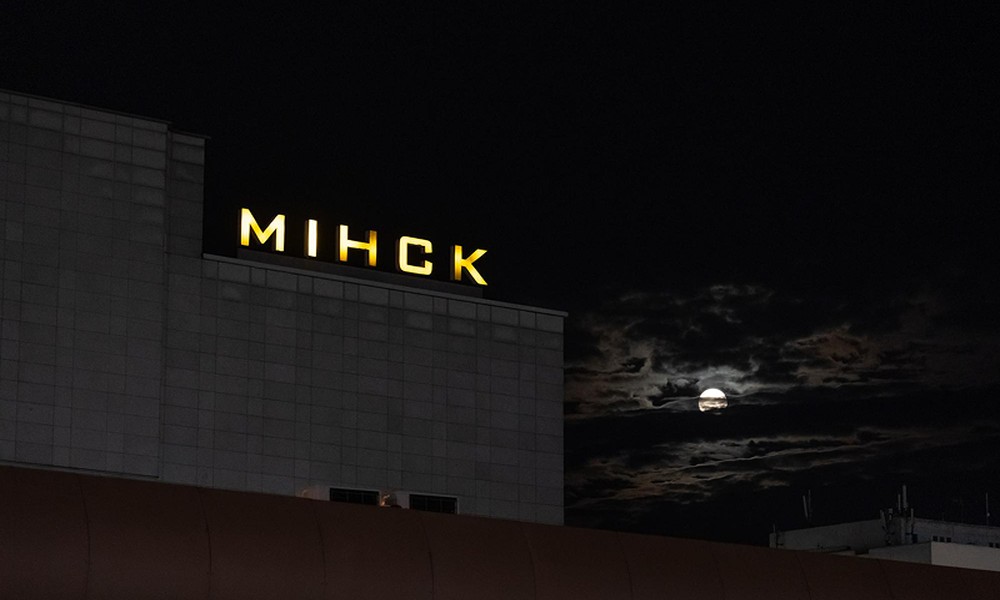
The battle for visual attention begins the moment the sun dips below the horizon. Your physical branding is a beacon that communicates reliability and prestige. Choosing the right medium to project your brand identity requires a blend of architectural understanding and marketing psychology. To be seen, one must compete with a myriad of other visual stimuli, where the role of a professional signboard maker in Singapore becomes pivotal. High-quality lighted building signs serve as a 24-hour salesperson, ensuring that your brand remains top-of-mind even when your doors are closed.
The Impact of the Tropics
In a tropical setting, the shift in outcomes is dictated by two primary factors: UV intensity and torrential rainfall. A sign that looks magnificent in a temperate climate may fail within months in Southeast Asia if the materials are not UV-stabilised. Forward-thinking businesses prioritise materials that resist yellowing and thermal expansion. Furthermore, the transition from day to night acts as a natural trigger for performance.
During the day, a sign must rely on contrast and 3D depth to remain legible against the harsh midday sun. As dusk falls, the internal LED systems must take over seamlessly, providing a consistent glow that doesn’t cause glare. A skilled signboard maker in Singapore understands these shifts, often using light sensors that adjust brightness based on the surrounding environment, ensuring the outcome is always a clear, professional image regardless of the weather or time.
Why Front-Lit Systems Lead the Way
The technical evolution of lighted building signs has moved toward 3D LED front-lit channel letters for several compelling reasons. Unlike traditional neon, which was fragile and energy-hungry, modern LED systems offer a focused luminosity that is far more durable. Front-lit signs are engineered so that the light is projected directly through the face of the letter, typically using a high-grade acrylic diffuser. This creates a crisp, sharp edge that is legible from a significant distance.
A warm white may evoke a sense of luxury and comfort for a boutique hotel. A cool, daylight white suggests the efficiency and modernity of a tech firm. By manipulating these variables, a business can subtly influence the emotional response of a passerby before they even read the company name.
Material Integrity and the Longevity of 3D Fabrication
3D fabrication is the gold standard because it introduces the element of shadow. When letters have the sides of the 3D letter, they create a sense of permanence and weight. This is particularly important for corporate headquarters, where the sign needs to look as good from a side profile as it does from the front. Engaging a reputable signboard maker in Singapore ensures that these returns are crafted from non-corrosive materials like stainless steel or aluminium.
These metals are then powder-coated to match the brand’s specific palette, providing a finish that can withstand the salty, humid air of a coastal city. The interior of these 3D structures must also be designed for heat dissipation. Although LEDs are efficient, they still generate heat, and without proper airflow, the lifespan of the components shortens. This attention to internal engineering is what separates a generic sign from a professional-grade architectural feature.
Navigating Regulatory Standards and Urban Integration
Building a sign in a highly regulated urban environment involves compliance. A professional partner handles the complexities of structural calculations and ensures that the mounting brackets are rated for high-wind speeds. Beyond safety, there is the aesthetic integration with the building’s facade.
A sign should look like it belongs to the architecture. This requires a deep understanding of mounting techniques, whether it’s a raceway mount that hides all the wiring or a flush mount where each letter is individually pinned to the wall. This level of precision ensures that the final result is a seamless extension of the brand’s identity.
Conclusion
The journey from a conceptual logo to a prominent building sign is one paved with technical decisions and environmental considerations. The combination of 3D fabrication and advanced LED technology provides a foundation for branding that is both resilient and captivating. By understanding the environmental triggers that affect material longevity and the psychological impact of light temperature, businesses can ensure their investment yields a high return in brand equity. Relying on a master signboard maker in Singapore allows for the perfect synthesis of art and engineering, resulting in lighted building signs that tell a story of quality and permanence.
Are you ready to see your brand name shine across the district? Explore My First Sign and discover how easy it is to become a local landmark today.