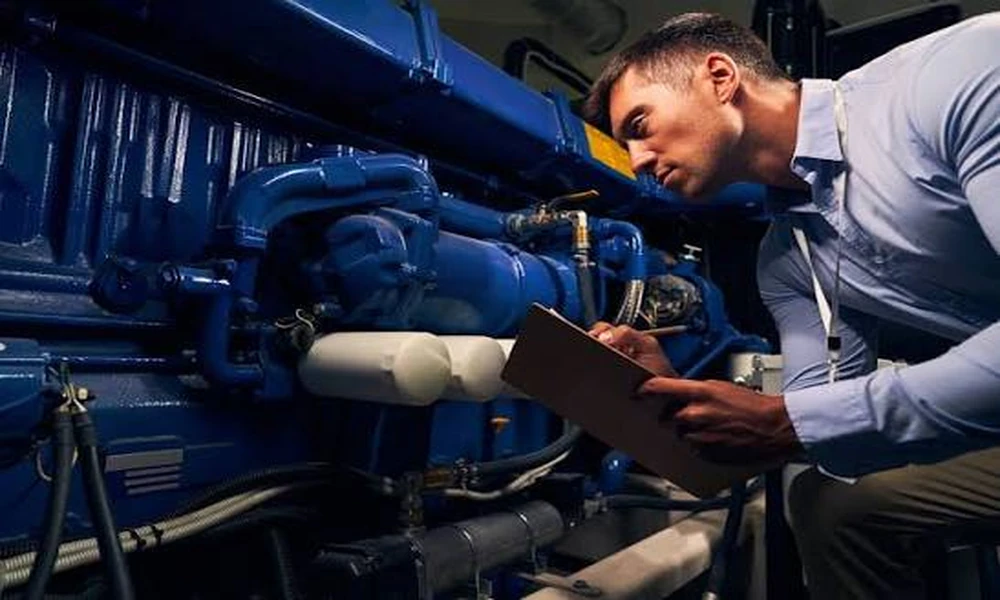
When utility power cuts out, facilities rely entirely on emergency backup generators. However, simply starting a generator every month without a full electrical load can create a dangerous illusion of security. Without routine load bank testing, standby power systems often fail right when they are needed most.
Understanding how load bank testing works helps protect facilities from costly downtime, equipment damage, and sudden blackout failures.

What Is Load Bank Testing?
Load bank testing checks an emergency generator under controlled operational stress. The process uses an external unit with electrical resistive heating elements to simulate a building’s actual electrical demand.
Technicians safely bring the engine up to its full operating temperature and design capacity without risking a facility-wide power disruption. Engaging a qualified specialist like triple t critical power services ensures these tests follow exact safety protocols and manufacturer 
Eliminating the Threat of Wet Stacking
Light-load operation is a primary cause of diesel generator failure. Operating a generator at less than 30 percent of its full load leaves fuel unburnt. Such unburnt fuel builds up in the exhaust system in the form of damaging sludge called “wet stacking.”
Several serious engine problems arise from wet stacking:
-
Extensive Carbon Deposit: Clogged fuel injectors result in inefficient combustion.
-
Worn Piston Rings: Unburnt fuel mixes with engine oil and affects seals.
-
Lower Horsepower: Restriction of exhaust affects engine power during high load.
-
Increased Fire Risks: Heavy soot accumulation inside the exhaust manifold creates fire hazards.
Load bank testing burns off accumulated carbon deposits by running the engine hot enough to vaporize fuel buildup, effectively restoring full engine performance.
Key Differences: Unloaded Exercise vs. Load Bank Testing
|
Test Feature |
Unloaded Monthly Exercise |
Full Load Bank Testing |
|
Engine Temperature |
Runs cool; leaves unburned fuel |
Reaches full operating temperature |
|
Wet Stacking Risk |
Increases carbon buildup |
Vaporizes and removes sludge |
|
Capacity Verification |
Tests start battery & starter only |
Verifies 100% nameplate kW capacity |
|
Cooling & Fuel System |
Leaves heat rejection unverified |
Tests radiator, water pump, and fuel delivery |
Verifying Total Cooling and Fuel System Health
A generator may start instantly during a brief test, but fail two hours into a blackout due to overheating or fuel line clogs. In load bank testing, there is sustained electrical stress on the entire engine assembly to uncover hidden weaknesses:
-
Cooling Systems: Detects worn belts, leaking water pumps, or clogged radiators before heat forces automatic shutdowns.
-
Fuel Delivery: Reveals clogged fuel filters and malfunctioning fuel injectors while consuming maximum amounts of fuel.
-
Voltage Regulation: Checks if the automatic voltage regulator (AVR) maintains stable voltage when the loads suddenly spike.
Integrating comprehensive load bank protocols through triple t critical power services helps identify these hidden component failures before an actual power outage occurs.
Meeting Regulatory and NFPA Compliance
Regular load testing is a regulatory requirement for hospitals, data centers, and other critical facilities. According to standards such as NFPA 110, the emergency generators must be tested annually with specific load thresholds (50% to 75%).
The documented load bank tests ensure that your standby power system complies with safety codes and thus satisfies insurance requirements and inspections.
Safeguard Your Emergency Backup Power
Your emergency power system is an insurance policy against unexpected power outages. Through load testing, you ensure carbon deposits and the thermal and electrical performance of your emergency power systems during an actual situation. Scheduled testing keeps backup generators ready to handle critical building loads at a moment’s notice.
Frequently Asked Questions
How frequently should an emergency generator be load bank tested?
Once a year. According to NFPA 110 standards, since monthly tests may not bring the generator up to full temperature, an annual load bank test of a minimum 30% of rated capacity is required.
Will performing a load bank test affect facility operations?
No. Technicians connect a separate load bank directly to the generator, enabling it to operate at full capacity without switching to building power.