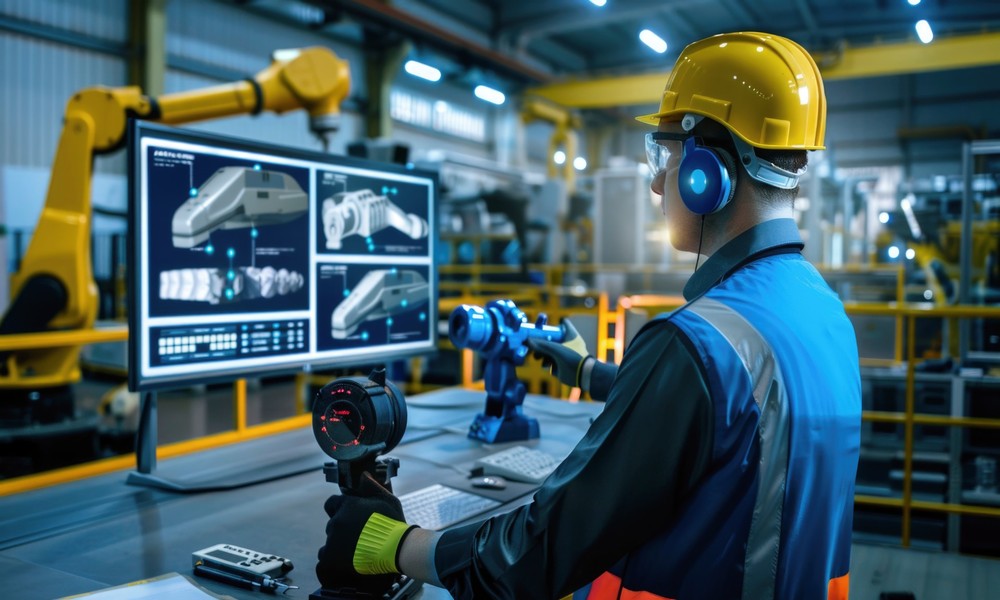
In steel plants, quality does not depend on one inspection point alone. It is built through every stage, from raw material handling to rolling, cooling, finishing, testing, and dispatch. When these stages are monitored closely, plant teams can notice process variations earlier and respond before they disturb production flow.
For buyers, fabricators, and project teams in India, this matters because steel is often linked to tight schedules and exacting fabrication needs. Whether the discussion is around hot-rolled coil manufacturers in India, flat products, or downstream processing, plant monitoring has become an important part of how steel quality and operational continuity are managed.
Why Monitoring Matters in Steel Plants
Steel manufacturing involves heat, pressure, movement, and timing. A small change in one area can influence the next process.
Intelligent monitoring brings plant data, operator observations, inspection results, and equipment condition into a more organised view. It does not replace experienced plant teams. It supports them with better visibility.
It can be useful for tracking:
- Material movement across production stages
- Temperature-related process behaviour
- Equipment condition and running patterns
- Surface and dimensional observations
- Inspection and testing records
- Dispatch readiness and identification details
This kind of visibility may help teams act with better clarity instead of depending only on end-stage checks.
Quality Control Begins before Final Inspection
Final inspection is important, but quality control starts much earlier. In hot rolling and finishing operations, process discipline plays a key role. Teams may need to observe the way material moves through the line, how it responds to rolling conditions, and whether the finished product aligns with the required specification.
A monitoring-led approach can support:
- Early identification of variation
- Better coordination between production and quality teams
- Clearer traceability of material batches
- More structured review of inspection findings
- Improved readiness for customer documentation
When products such as AMNS HR steel are searched by buyers, the discussion often goes beyond availability. Buyers also want material that aligns with their fabrication route, documentation needs, and project timelines.
Uptime Depends on More than Machine Running Time
Uptime is not only about whether a machine is running. It is also about whether it is running in a controlled, dependable way. If equipment needs repeated stoppages, adjustments, or unplanned attention, production planning can become difficult. Monitoring can give maintenance and operations teams a clearer view of machine condition, line behaviour, and possible areas needing attention.
Plant teams may use monitoring inputs to review:
- Equipment load behaviour
- Lubrication and mechanical condition
- Repeated stoppage patterns
- Cooling and finishing line observations
- Maintenance planning requirements
- Operator-reported concerns
The purpose is not to make broad claims about performance. The value lies in having the right signals available at the right time.
How Intelligent Monitoring Supports HR Coil Consistency
HR coil production requires close process control because the material may later be used for cutting, forming, welding, fabrication, and further processing.
For a hot-rolled coil, buyers may look at thickness, width, surface condition, flatness, edge quality, and documentation. Monitoring can support these checks by keeping process and inspection information easier to follow.
This can be useful across areas such as:
- Dimensional review
- Surface observation
- Coil identification
- Process traceability
- Testing record management
- Dispatch coordination
Search terms like stallion steel may appear during buyer research, but the real buying decision should stay rooted in grade suitability, specification alignment, and supplier communication.
What Indian Buyers Should Ask
Plant monitoring is usually an internal production matter, but buyers can still ask the right questions. Before placing an order, purchase and quality teams can discuss how the supplier manages inspection, traceability, documentation, and dispatch coordination. This helps both sides avoid confusion later.
Useful discussion points include:
- Required grade and application
- Inspection documents needed
- Dimensional tolerance expectations
- Surface condition requirements
- Identification and traceability process
- Delivery and dispatch communication
These questions keep the buying process technical, clear, and aligned with fabrication needs.
Conclusion
Intelligent steel plant monitoring can support better visibility across production, quality review, equipment attention, and delivery preparation. For Indian buyers and fabricators, this means the conversation should not stop at grade and availability.
A well-managed monitoring approach may help steel plants keep quality checks more structured and production movement more dependable, while giving buyers better clarity before the material reaches their shop floor.