Device selection significantly affects streaming experiences. Others struggle with video playback. Performance depends on processing power, display quality, and storage. It helps viewers optimize their setup without unnecessary purchases. Different platforms work better with other sites. 123moviies.net functions across most modern hardware, but performance differences exist. Examining device categories reveals strengths and weaknesses for streaming purposes.
Desktop and laptop computers
- Computers represent the most versatile streaming devices available. Full-sized browsers support every video codec and streaming protocol. Larger displays show more detail than mobile screens. Processing power exceeds phones and tablets substantially. Upgradability allows improving performance without replacing entire systems.
- Desktop advantages include dedicated graphics cards accelerating video decoding. Multiple monitors enable watching while working or browsing simultaneously. Ethernet connections provide maximum stability compared to wireless alternatives. Storage space accommodates downloads if platforms offer offline viewing. Keyboard and mouse navigation feel more precise than touchscreen interfaces for some users.
- Laptops combine desktop power with portability. A modern laptop can stream 1080p and 4K video. Batteries last varying amounts of time unplugged. Price tiers affect screen quality. Weight and size determine actual portability for different usage scenarios.
Smartphones dominate mobile viewing
Phones became primary streaming devices for millions globally. Portability enables viewing anywhere with cellular or WiFi connectivity. Screen sizes increased dramatically over the past decade, making video watching comfortable. Processing power now rivals budget laptops for video playback specifically. Current smartphones handle streaming remarkably well:
- Flagship devices support 1080p and 4K video effortlessly
- Mid-range phones manage 1080p without issues
- Budget models handle 720p adequately for their screen sizes
- Battery capacity determines viewing duration between charges
- Cellular data enables streaming away from WiFi networks
Screen size presents the main compromise. Even large phones max out around six or seven inches diagonally. Detail visibility suffers compared to tablets or computers. Extended viewing sessions feel less comfortable than larger displays. Convenience often outweighs screen size limitations for many viewers.
Tablets bridge size gaps
Tablets occupy the middle ground between phones and computers. They provide better viewing than phones while remaining portable. The touch interface is good for casual browsing. Battery life typically exceeds phones due to larger battery capacity. Tablet performance varies enormously by price. Premium tablets match laptop capabilities for streaming specifically. Budget models struggle with HD content occasionally. Storage capacity limits download options on cheaper devices. Wireless connectivity determines streaming reliability away from stable home networks.
Smart televisions simplify setup
Modern televisions include streaming capabilities built directly into their systems. No external devices needed beyond internet connectivity. Large screens provide cinema-like viewing experiences at home. Remote controls offer simpler interfaces than computer mice or touchscreens for some users. Smart TV limitations include outdated software on older models. Processing power lags behind computers and flagship phones. App selection varies by manufacturer and model year. Interface responsiveness frustrates users accustomed to snappy computer performance. Updating capabilities depends on the manufacturer’s support duration.
Smart TVs with streaming devices
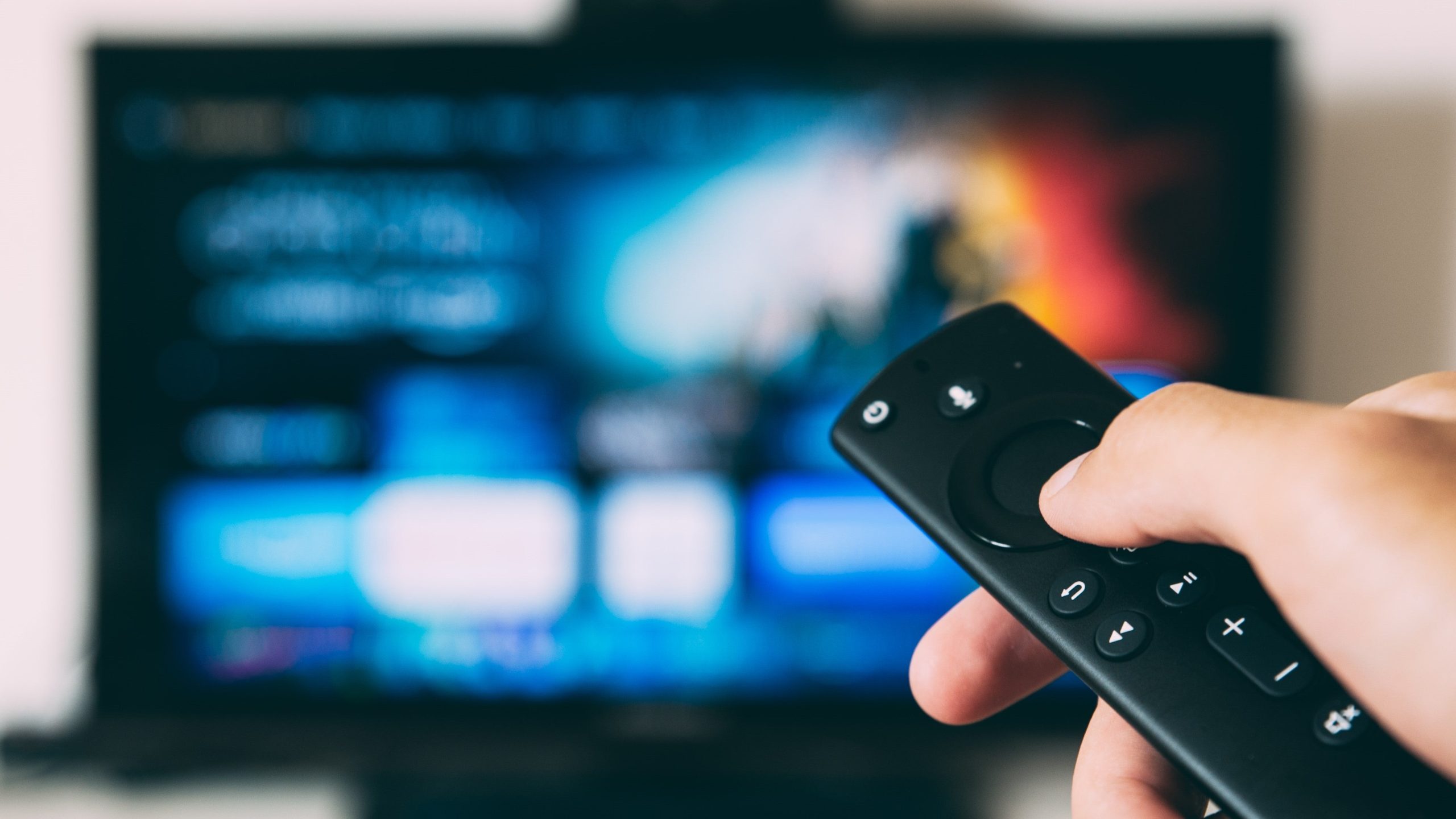
Streaming sticks and boxes add functionality to any HDMI-equipped television. They provide updated software and better performance than new smart TVs. Setup requires little technical knowledge. There are multiple device options. The most popular streaming devices include budget sticks, mid-range boxes, and premium units. Low-cost options handle 1080p adequately. The mid-range devices support HDR and 4K. Premium units add features like gaming capability and voice control. All connect wirelessly to home networks, though some support Ethernet adapters for stability.