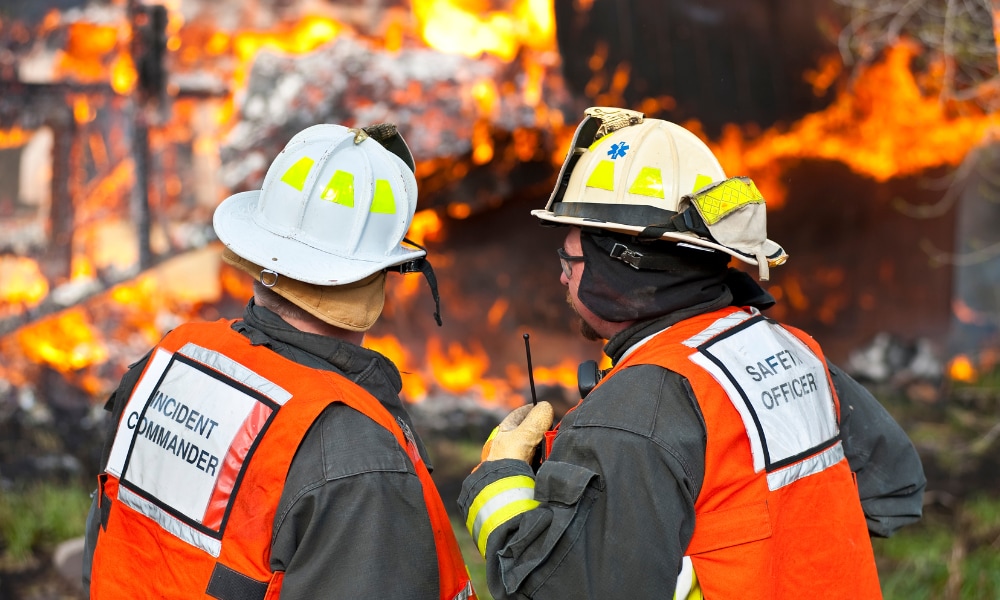
Understanding property safety during fire-prone seasons holds great importance for every homeowner. Evaluating land conditions and vegetation helps determine fire exposure levels, giving owners the information needed for risk management. Each property requires assessment to meet the right standards for safety compliance. Proper awareness and documentation can help prevent hazards effectively by identifying vulnerable zones. Here, we can see the complete details every property owner must know to understand protective measures effectively.
Purpose of Property Evaluation
A bushfire assessment report newcastle supports accurate property assessment through professional inspection to identify fire-prone surroundings, fuel exposure, and compliance categories clearly for safety certification and preventive planning.
Ways to Reduce Risk
Every site requires actions like vegetation trimming or pathway clearing, ensuring combustible materials remain away from homes, reducing risks of embers spreading through natural spaces during extreme weather events.
Safety Planning Importance
Owners must maintain seasonal checkups to sustain safety and update assessments, keeping every property aligned with safety obligations while reducing potential liability or insurance complications efficiently.
Structure Considerations
Building layouts and materials demand assessment to measure construction strength in resisting potential fire spread through walls, roofs, windows, and exterior finishes under intense heat situations.
Environmental Conditions
Different terrains influence hazard possibilities, especially when wind direction or slope speed impacts flame intensity. Assessment reports give understanding about position-based risk factors directly affecting surrounding vegetation coverage.
Role of Certifications
Fire regulation authorities verify assessment results through detailed certification processes prepared by qualified professionals who submit layouts, mapping details, and safety planning outcomes.
Communication With Experts
Owners benefit by consulting certified practitioners to ensure every report aligns with local authority requirements, saving effort while guaranteeing accurate results through essential evaluations.
Maintenance Practices
Property upkeep plays a major role in fire protection. Continuous trimming, fuel reduction, and waste clearance help maintain lower fire-load intensity during critical periods effectively.
Compliance Boundaries
Regulatory agencies require frequent updates, ensuring residential properties meet safety thresholds by following hazard reduction policies and keeping documentation accessible upon inspections or property sale conditions.
Regular Monitoring
Repeating evaluations keeps reports relevant. Climate shifts and vegetation growth influence hazard levels, making consistent rechecking important for sustainable safety protection strategies.
- For strong prevention planning, consider these core actions for maintaining safe surroundings and enhancing compliance confidence.
- Clear flammable debris regularly to block accidental ignition and reduce ember exposure around buildings safely.
- Keep grass cut evenly, ensuring no dry materials gather that might catch fire during wind conditions.
- Use fire-resistant materials in fences and roofs wherever practical to create reliable defensive layers effectively.
- Establish water storage areas for quick usage under extreme temperature events when nearby supplies decrease significantly.
- Consult accredited assessors to ensure procedural accuracy while handling official documentation for safety approval efficiently.
Protective awareness and timely evaluation safeguard assets and the environment both while providing insight into preventive methods promoting community resilience. A well-staged bushfire assessment report newcastle strengthens personal confidence through effective hazard reduction strategies adapted for ongoing regional safety initiatives.