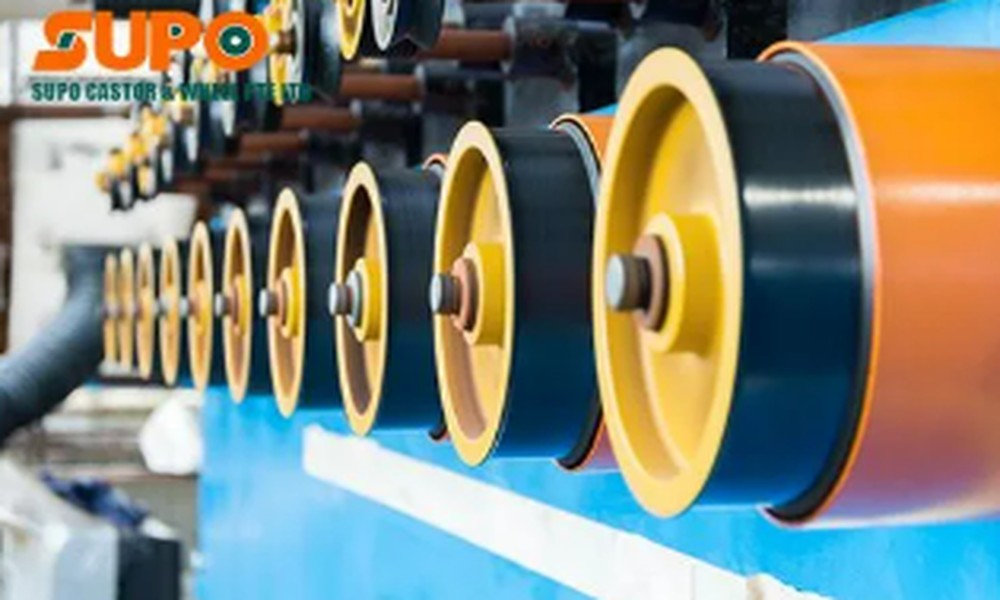
Industrial workplaces move constantly. Equipment shifts between stations, materials travel from storage to production, and mobile setups allow teams to adjust layouts when priorities change. In many facilities, that movement is only possible because of wheels and castors. They support heavy loads, enable controlled manoeuvring, and turn fixed equipment into practical mobile assets.
When wheels and castors are chosen for the right environment, they can reduce unnecessary lifting, improve workflow speed, and help teams maintain safer handling practices. They also influence how stable equipment feels during movement, how smoothly it rolls on specific floors, and how easily operators can steer through tight spaces.
Because every sector has different demands, the real value comes from understanding where wheels and castors are used and what each setting typically requires. The sections below break down common applications across industrial sectors and explain why selection and performance expectations often vary by environment.
How Wheels And Castors Function In Industrial Settings
At a basic level, wheels and castors enable movement, but in industrial use, they also contribute to stability, control, and efficiency. A wheel typically supports load and rolling motion, while a castor assembly generally includes a wheel plus a mounting and swivel mechanism. In practice, different configurations can significantly change how equipment behaves in motion.
Fixed options are often used when movement needs to stay directional and predictable. Swivel options help operators steer in tighter spaces and reposition loads with less effort. Braking mechanisms can help secure equipment in place, especially when work is performed directly on mobile setups.
Performance depends on how wheels and castors interact with the working environment, including:
- The weight of the load and how it is distributed
- The floor surface, including roughness, joints, and slope
- Exposure to moisture, cleaning chemicals, heat, or debris
- Movement patterns, such as short manoeuvres or long transport runs
When these factors are matched appropriately, wheels and castors can support smoother movement, reduce operator strain, and improve the usability of equipment that would otherwise be difficult to reposition.
Manufacturing And Production Facilities
Manufacturing environments rely on movement for productivity. Tools, components, and partially assembled goods often need to travel between stations, and production layouts may change as output requirements shift. In these settings, wheels and castors commonly support mobile systems that keep work flowing without interruptions.
Typical applications include mobile stations and transport solutions that help operators keep essential items close while reducing wasted steps. Common examples include:
- Mobile workbenches that can be repositioned based on workflow needs
- Assembly line trolleys that transport components between stages
- Tool carts that keep frequently used items accessible at point of use
- Material bins that support replenishment and internal logistics
For production environments, wheels and castors are often expected to handle frequent movement under consistent load. Stability matters because equipment may be used while stationary, and movement should remain controlled even when navigating tight areas around machinery. When rolling performance is poor, teams lose time, and the physical effort required to push or steer equipment increases.
Warehousing And Logistics Operations
Warehousing and logistics environments are built around movement. Inventory is picked, transferred, staged, and loaded, often across large facilities and long travel distances. Wheels and castors are central to everyday operations because they support the carts and mobile handling systems that keep goods moving efficiently.
Common applications include:
- Order picking carts used during fulfilment and sorting
- Platform trolleys used to move cartons and inventory between zones
- Mobile shelving and storage racks that support flexible space planning
- Cages and roll containers that help transport goods securely
Because floor travel distances can be significant, wheels and castors in warehouses often need to balance smooth rolling with durability. If the floor includes joints, uneven areas, or frequent turning points, manoeuvrability becomes just as important as load handling. In addition, workflow speed can be affected if carts are difficult to steer or require frequent stopping and repositioning.
When wheels and castors perform well in warehouse conditions, teams can transport more efficiently, reduce handling strain, and maintain a steadier pace during picking and movement tasks.
Healthcare And Medical Environments
Healthcare settings require mobility, but they also demand control, cleanliness, and predictable movement. Wheels and castors are commonly used on equipment that needs to move between rooms, be positioned precisely, and remain stable once in place.
Typical applications include:
- Hospital beds and patient transport equipment
- Medication carts and treatment trolleys
- Diagnostic and monitoring equipment
- Mobile storage units used in clinical areas
In these environments, smooth and quiet movement can matter because sudden noise or unstable rolling can disrupt patients and slow staff. Controlled braking and directional stability can be especially important where safety is critical and spaces are shared with vulnerable individuals.
Since wheels and castors in healthcare are often exposed to frequent cleaning, ongoing performance is linked to how well the components tolerate routine disinfection and repeated use. Reliable mobility helps staff respond efficiently while keeping equipment organised and accessible.
Food Processing And Commercial Kitchens
Food processing and commercial kitchen environments often involve high hygiene standards, frequent washdowns, and exposure to moisture. Wheels and castors are widely used because equipment needs to be repositioned for cleaning, workflow changes, and storage access.
Common examples include:
- Preparation tables and mobile benches
- Ingredient carts and transport trolleys
- Storage racks and shelving units
- Mobile appliances and service equipment
These settings can be challenging because rolling components may face water exposure, cleaning agents, and temperature changes. As a result, wheels and castors in food-related environments are typically expected to maintain consistent movement even when floors are damp or recently cleaned.
Mobility also supports better housekeeping. When equipment can be moved easily, cleaning teams can access more areas thoroughly, and operators can adjust layouts without excessive lifting or dragging.
Construction Sites And Heavy Duty Applications
Construction environments often require mobility in rugged conditions, including uneven surfaces, debris, and frequent repositioning of heavy equipment. Wheels and castors may be used on temporary setups, mobile platforms, and equipment stands that need to move as work progresses.
Examples include:
- Mobile platforms and staging equipment
- Temporary workstations and stands
- Site storage units and movable tool setups
In these conditions, durability and stability are essential. Wheels and castors may need to tolerate impacts, shifting loads, and inconsistent ground surfaces. Controlled movement is particularly important when transporting heavy items because instability can increase safety risks.
When wheels and castors are selected appropriately for heavy duty use, they can support smoother site operations, reduce time spent on repositioning, and help teams adjust equipment placement without unnecessary strain.
Retail And Commercial Display Environments
Retail environments may not handle the same loads as heavy industry, but they still rely on mobility for efficient space management and frequent layout updates. Wheels and castors are commonly used to support display units, shelving, and promotional setups that need to move without damaging floors.
Common applications include:
- Promotional stands and seasonal display units
- Mobile shelving for flexible floor planning
- Back-of-house carts used for restocking and inventory movement
In commercial spaces, ease of movement and floor protection often matter. Rolling should be smooth and controlled to help staff reposition units quickly while maintaining a tidy and professional appearance. Well-matched wheels and castors help businesses adapt layouts efficiently and reduce time spent manually shifting heavy fixtures.
How To Choose Wheels And Castors For Different Industries
Different sectors use wheels and castors in different ways, so selection should reflect real operating conditions rather than general assumptions. While requirements vary, several factors consistently influence performance and suitability.
Key considerations include:
- Load capacity and how the weight is distributed during movement
- Floor type, including smooth surfaces, textured floors, or uneven areas
- Environmental exposure, such as moisture, chemicals, heat, or debris
- Frequency and distance of movement, including turning requirements
- Stability needs, especially where equipment is used while stationary
When these factors are aligned with operational demands, wheels and castors can deliver smoother movement, support safer handling, and improve long-term usability. Poor matching can lead to difficult manoeuvring, faster wear, and more strain on operators, especially in high-movement environments.
Make Mobility A Competitive Advantage
Across industrial sectors, wheels and castors quietly shape how efficiently teams move, position, and operate equipment. Whether the setting involves heavy production loads, high-volume warehousing, hygiene-focused food environments, or precision-driven healthcare work, the right mobility setup can reduce handling strain and support smoother workflows.
For businesses evaluating mobility solutions for real operational conditions, Supo Caster & Wheel can be a helpful starting point for exploring suitable options and improving how equipment moves across different industrial environments.
Contact them today to learn more!
Frequently Asked Questions
What are the most common industrial uses of wheels and castors?
Common uses include carts, trolleys, mobile racks, workstations, and equipment platforms across manufacturing, warehousing, healthcare, food processing, construction, and retail operations.
How do wheels and castors support workplace efficiency?
They reduce manual lifting and dragging by enabling controlled movement of loads and equipment. This helps teams move faster, reposition work areas more easily, and maintain steadier workflows.
What factors matter most when selecting wheels and castors for an industrial facility?
The most important factors are load capacity, floor type, environmental exposure, movement frequency, and the level of manoeuvrability required for the workspace layout.
Are wheels and castors suitable for heavy loads in industrial environments?
Yes, wheels and castors are widely used for heavy industrial loads when the load rating and application requirements are matched correctly to the operating conditions.
How can businesses tell when wheels and castors need replacement?
Common signs include reduced rolling smoothness, difficulty steering, wobble under load, inconsistent braking, visible wear, or changes in how stable equipment feels during movement and stopping.