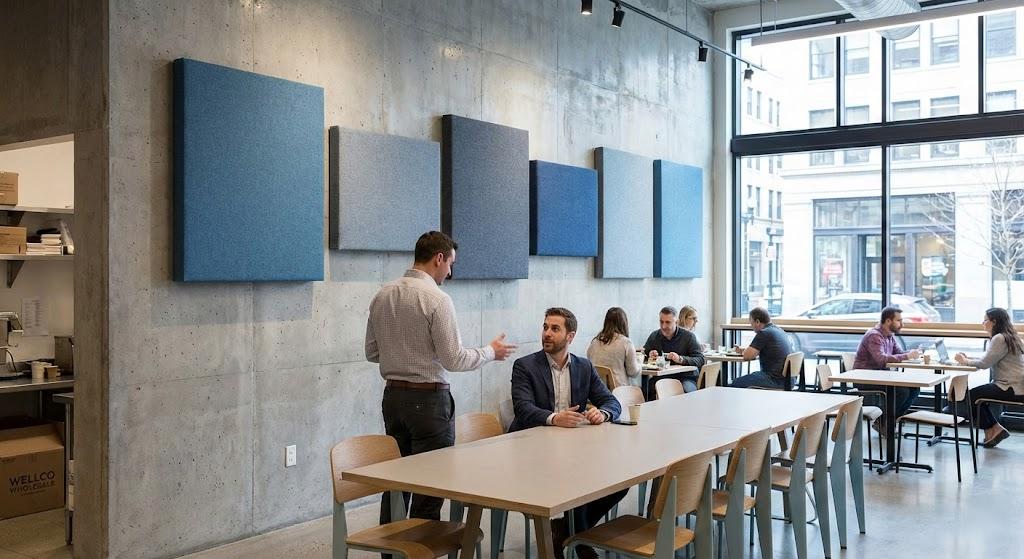
In many interior design projects, sound is often treated as an afterthought. Layout, colour schemes, lighting, and furniture usually take centre stage, while acoustics are only considered once the space is already in use.
That is typically when the issue becomes obvious. Conversations feel harder to follow, rooms sound more “echoey” than expected, and overall comfort is not quite right. This is where wall acoustic panels start to play a more visible role.
In real-world projects, they are not just technical additions. When used thoughtfully, they become part of the design itself, improving both how a space looks and how it feels.
Improving Everyday Comfort
One of the most immediate benefits of wall acoustic panels is the improvement in overall comfort.
In spaces with hard surfaces such as glass, concrete, or tiles, sound tends to bounce around. This creates a sense of noise even when there are only a few people present.
Wall panels help absorb these reflections, making the environment feel calmer and more controlled. The difference is not about silence, but about reducing the constant background build-up of sound.
In offices, this can make it easier to focus. In homes, it creates a more relaxing atmosphere. In commercial spaces, it helps people stay longer without feeling overwhelmed.
Enhancing Speech Clarity
Clear communication is one of the most practical advantages of acoustic treatment.
In meeting rooms, classrooms, or open-plan offices, overlapping conversations and reflected sound can make speech difficult to understand. People may find themselves repeating sentences or raising their voices without realising it.
Wall acoustic panels reduce these reflections, allowing speech to remain clear and direct. This improves communication without requiring any behaviour change.
In real projects, this often leads to smoother meetings, more productive discussions, and fewer misunderstandings.
Supporting Multi-Functional Spaces
Modern interiors are rarely designed for a single purpose.
A living room may double as a workspace. A café might host meetings during the day and social gatherings in the evening. Retail spaces often combine browsing, interaction, and transactions in the same area.
Wall acoustic panels help these spaces adapt by controlling how sound behaves across different uses. Instead of becoming too loud or chaotic as activity increases, the environment remains balanced.
This flexibility is particularly valuable in compact or shared spaces.
Reducing Noise Spread Between Areas
While wall acoustic panels are not designed to fully soundproof a space, they do help reduce how much sound travels within it.
In open layouts, this can limit how far conversations or activity noise spreads. For example, in an office, panels can help prevent sound from one area from disrupting another.
In homes, they can make adjacent rooms feel more separated, even without structural changes.
This subtle level of control improves usability without requiring major modifications.
Integrating with Interior Aesthetics
One of the biggest shifts in recent years is how acoustic panels are designed.
They are no longer purely functional elements. Many are created with aesthetics in mind, offering a wide range of colours, textures, and patterns.
In real interior projects, wall panels are often used as feature elements. They can act as statement walls, geometric designs, or subtle textures that complement the overall theme.
This allows designers to address acoustic challenges without compromising visual appeal. In some cases, panels even become a focal point of the space.
Making Large Spaces Feel More Intimate
Large rooms can sometimes feel overwhelming, both visually and acoustically.
High ceilings and wide open areas tend to amplify sound, creating long reverberation times. This can make even small amounts of noise feel exaggerated.
Wall acoustic panels help break up these reflections, making the space feel more contained and comfortable. This is especially useful in restaurants, lobbies, and event spaces.
The result is a more inviting environment where people can interact without feeling lost in the space.
Supporting Better Audio Experiences
For spaces that involve media or entertainment, acoustic quality plays an even bigger role.
Living rooms with televisions, home theatres, and presentation areas all benefit from controlled sound. Without treatment, audio can feel muddy or unclear due to reflections.
Wall acoustic panels help improve definition, making dialogue easier to understand and enhancing overall sound quality.
In real projects, this often translates to a better viewing or listening experience without needing to upgrade equipment.
Offering Flexible and Scalable Solutions
Another practical benefit is flexibility.
Wall acoustic panels can be installed gradually. There is no need to complete the entire setup at once. Designers and homeowners can start with key areas and expand if needed.
They are also relatively easy to update or reposition compared to structural changes. This makes them suitable for evolving spaces where needs may change over time.
Addressing Acoustic Issues Without Major Renovation
One of the reasons wall panels are widely used is that they provide noticeable improvements without requiring extensive renovation work.
Structural soundproofing can be complex and costly. In contrast, wall acoustic panels offer a more accessible way to improve sound quality within a space.
For many projects, this balance between effectiveness and practicality makes them a preferred solution.
Final Thoughts
In real interior design projects, wall acoustic panels do far more than reduce noise.
They improve comfort, support communication, and enhance the overall experience of a space. At the same time, they integrate seamlessly into design concepts, contributing to both function and aesthetics.
The key is to treat them as part of the design process, not an afterthought. When considered early and used thoughtfully, they help create spaces that not only look good but also feel right to be in.
In the end, good design is not just visual. It is something you experience, and sound plays a bigger role in that than most people initially realise.