Every shipment of hazardous materials carries two price tags. The first is the one on the invoice the cost of moving the cargo from origin to destination. The second is the one most shippers never see coming until it’s too late the financial, legal, and reputational consequences of getting it wrong. Properly managed hazmat cargo transportation is an investment in compliance, safety, and long-term operational continuity. Cutting corners on that investment, whether through choosing an underqualified carrier, skipping documentation steps, or misclassifying materials, can trigger a cascade of costs that dwarf whatever was saved in the first place. Here’s a clear-eyed look at what improper hazmat freight handling actually costs.
Regulatory Fines and Penalties
The most immediate financial consequence of non-compliant hazmat transport is regulatory penalties. The Pipeline and Hazardous Materials Safety Administration (PHMSA) has the authority to issue civil penalties of up to $84,425 per violation per day for hazmat violations and that ceiling rises to over $196,000 for violations that involve death, serious injury, or substantial property damage.
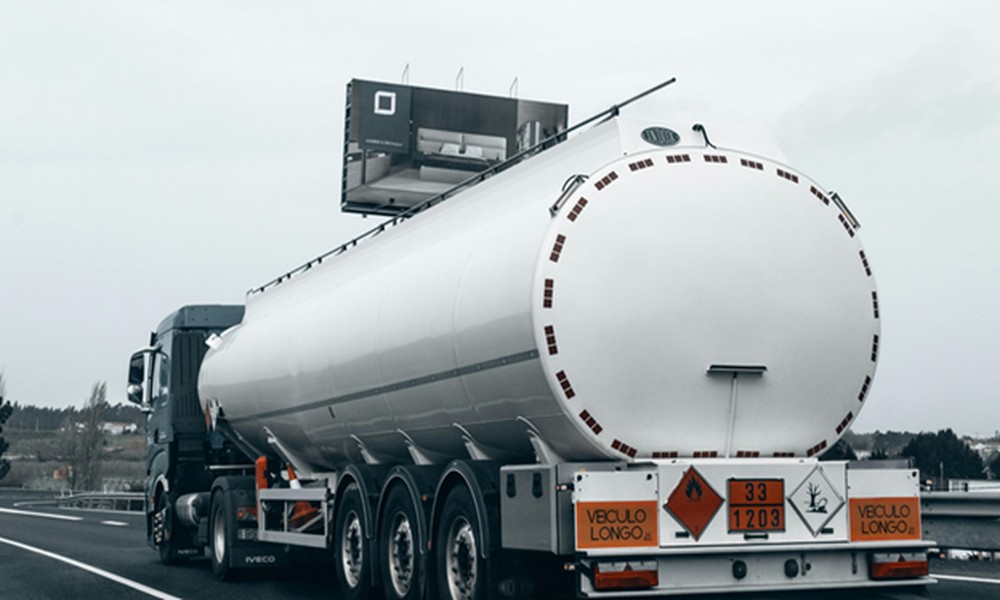
These aren’t hypothetical numbers. PHMSA conducts thousands of inspections annually and has a strong track record of enforcement. Common violations that trigger fines include improper packaging, incorrect or missing placards, incomplete shipping papers, and failure to properly train employees who handle hazardous materials. Each of these is its own violation, meaning a single improperly prepared shipment can generate multiple simultaneous penalties.
For smaller companies, a single enforcement action can be genuinely business-threatening. For larger organizations, repeated violations attract heightened regulatory scrutiny that makes every future shipment more complicated and costly.
Incident Liability and Legal Exposure
When a hazmat shipment is involved in an incident, a spill, a fire, a traffic accident, or a release of toxic material liability follows the entire chain of custody. That means the shipper, the carrier, and in some cases the manufacturer of the materials can all find themselves named in civil litigation.
Legal costs in hazmat incidents escalate quickly. Plaintiffs may include injured parties, nearby property owners, businesses disrupted by road closures or evacuations, and government agencies seeking cost recovery for emergency response. Expert witnesses, environmental assessments, and multi-year litigation timelines mean legal bills that can run into the millions even when settlements are eventually reached out of court.
The key factor courts examine is whether all parties exercised due diligence. Shippers who chose carriers without verifying credentials, skipped required documentation, or ignored red flags in a carrier’s compliance history face significantly greater liability exposure than those who followed proper procedures.
Environmental Cleanup Costs
Hazmat incidents don’t just create legal liability, they create cleanup obligations that are governed by some of the strictest environmental laws on the books. Under CERCLA commonly known as Superfund parties responsible for hazardous material releases can be held liable for the full cost of environmental remediation, regardless of fault.
Cleanup costs vary enormously depending on the material involved and the extent of contamination, but they are rarely cheap. A relatively minor roadside spill involving a corrosive chemical can cost tens of thousands of dollars to remediate once soil testing, material removal, disposal, and site certification are factored in. A larger release near a waterway or populated area can generate cleanup bills in the hundreds of thousands or more costs that insurance policies may only partially cover depending on how the incident occurred and whether violations were involved.
Operational Disruption
Beyond the direct financial hits, hazmat incidents trigger operational disruptions that compound losses over time. A carrier placed under a compliance investigation may have vehicles and routes taken out of service. A shipper whose permit is suspended cannot legally move regulated materials until compliance is restored which can take weeks or months.
Supply chains built around consistent hazmat transport schedules don’t absorb these disruptions gracefully. Production slowdowns, missed delivery windows, and broken contracts create downstream financial consequences that never appear on an incident report but hit the bottom line just as hard.
Reputational Damage
In industries that depend on security clearances, government contracts, and regulatory standing defense, energy, mining, and chemical manufacturing among them a hazmat compliance failure is not just a financial event. It’s a reputational one. Contract renewals get scrutinized. New business relationships become harder to establish. Government agency partnerships that took years to build can be jeopardized by a single high-profile incident.
Reputational damage is the cost that never fully appears on a balance sheet but shapes business outcomes for years.
The math on hazmat compliance is straightforward. The upfront cost of working with a properly certified, experienced carrier one with the training, equipment, documentation, and protocols that hazardous materials transport demands is a fraction of what a single serious violation or incident can cost. In this freight category more than any other, doing it right the first time is always the less expensive option.