Why switch from plastic bottles?
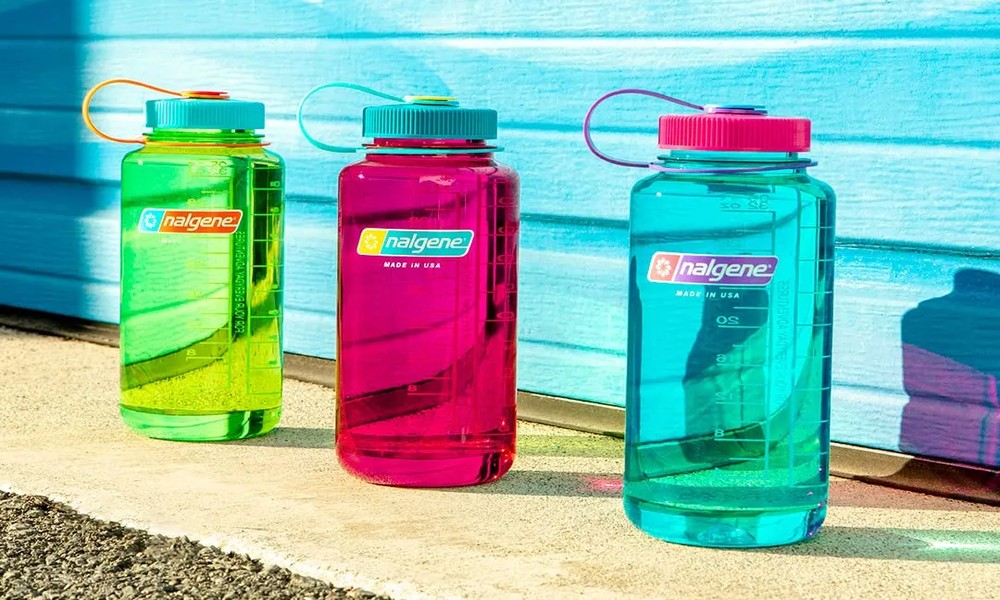
Single-use plastic bottles accumulate faster than most people track. One bottle per day across a working week is five units of waste before the weekend. A custom Nalgene bottle replaces that cycle with a single durable vessel that handles daily use across years without structural degradation. Lid seals hold through repeated open-close cycles, and exterior markings remain legible for longer than disposable alternatives. The switch is a straightforward substitution that removes a recurring waste pattern from daily routines. Unlike disposable bottles, the vessel does not require a replacement cycle. When sustained over time, that single change yields measurable results.
Are reusable bottles less waste?
The reduction is direct and countable. Every day a reusable vessel is used in place of a disposable one removes a unit of plastic from the consumption cycle. Across a month, that figure reaches thirty. Across a year, it exceeds three hundred without accounting for additional uses during travel, outdoor activity, or shared environments where disposable options are the default.
The compounding effect matters here. A single person making this substitution produces a measurable outcome. The same substitution across a workplace, school, or regular social group scales that reduction proportionally without requiring coordinated effort beyond individual daily use. The mechanism is simple: fewer disposable units purchased means fewer produced over time as demand patterns shift.
Material longevity vs disposable cycles
- A disposable plastic bottle fills once before entering the waste stream. The vessel used to produce it, transport it, and cool it for sale generates a resource cost that the single use does not justify against the alternative.
- A reusable container with a multi-year functional lifespan distributes that production cost across hundreds or thousands of uses. The material input per use drops to a fraction of what a disposable cycle requires over the same period. Durability is not merely a waste reduction case; it is the core of it. A reusable vessel that degrades quickly and requires frequent replacement narrows that gap considerably. One that holds its structural and functional integrity across extended daily use keeps the gap wide.
How do daily habits drive change?
Waste reduction at the individual level rarely comes from a single large decision. It accumulates through repeated small substitutions that become habitual rather than deliberate. Carrying a reusable bottle daily removes the disposable option from the default choice set in most situations. When a vessel is already filled, the purchase of a single-use alternative becomes unnecessary, not inconvenient.
- Workplace hydration shifts from vending purchases to refill station use when a personal vessel is consistently present.
- Travel hydration relies less on airport or transit retail when a carry-compliant reusable bottle is part of standard packing.
- Outdoor activities tend to steer away from disposable purchases when a durable vessel is already part of the standard kit.
- Social and group settings where disposable options circulate freely are navigated without participation when an individual vessel is already in hand.
Each substitution is small in isolation. Sustained across daily routine, the cumulative reduction in disposable plastic use becomes substantial without ongoing conscious effort.